

Journal
How Cologne Became a Word for Men's Fragrance
A city, a citrus fragrance, and a shopping habit: how cologne acquired its different meanings, and what the word can actually tell you about a scent.
October 10, 2026 · Logbook entry
Ask someone about their favorite cologne and they're likely to name a fragrance sold to men. The bottle might say eau de toilette or eau de parfum. It might smell of smoky woods, vanilla, or rose, with barely a trace of citrus.
That familiar use of “cologne” sits alongside two others: a historic style of fragrance and a label commonly associated with a lighter concentration. Understanding the difference starts with the place that gave the word its name.
First, Cologne was a city
Eau de Cologne means “water of Cologne.” In 1709, the Italian perfumer Johann Maria Farina created the fragrance in Cologne, Germany, and named it for his adopted city. The city's museum history describes a light, fresh composition made with citrus oils.
Its success spread the name beyond one perfume. Eau de Cologne became a category in its own right, associated with that bright, refreshing citrus character. In the broader cologne tradition, aromatic herbs and floral touches can accompany the citrus, giving freshness more texture than a simple squeeze of lemon.
The name began with geography and a particular kind of scent. It did not establish a rule about who could wear it.

Johann Maria (Giovanni Maria) Farina (1685–1766), creator of Eau de Cologne. Eighteenth-century portrait.
Credit: Farina Archiv, via Wikimedia Commons. Photograph by Farina gegenüber, 2000, licensed under CC BY 3.0 Germany; original painting in the public domain. Image unchanged.

How did it become the men's word?
The shift makes more sense when you look at grooming and retail history.
The Smithsonian's history of fragrance in America describes men's fragrance growing beyond barbershop aftershaves and becoming more popular after World War II. By the early 1950s, brands including Old Spice, Seaforth!, Aqua-Velva, and Canoe had become familiar parts of that market.
A bottle in the Smithsonian's collection makes the gendered language especially visible: a Pierre Cardin “Man's Cologne Spray,” dated around 1975.
These examples help explain the association, though they don't pinpoint a single moment when the meaning changed. Men's grooming products, advertising, and the way fragrance was sold gave shoppers repeated opportunities to encounter “cologne” as a men's category. Over time, that association became an everyday shorthand, particularly in the United States.
It remains visible today. Ralph Lauren's U.S. men's fragrance page uses “cologne” broadly while selling fragrances with eau de toilette and eau de parfum designations.
So calling a men's eau de parfum “cologne” is understandable everyday language. The confusion comes when we expect that shorthand to tell us the fragrance's formula, strength, or intended wearer with any precision.
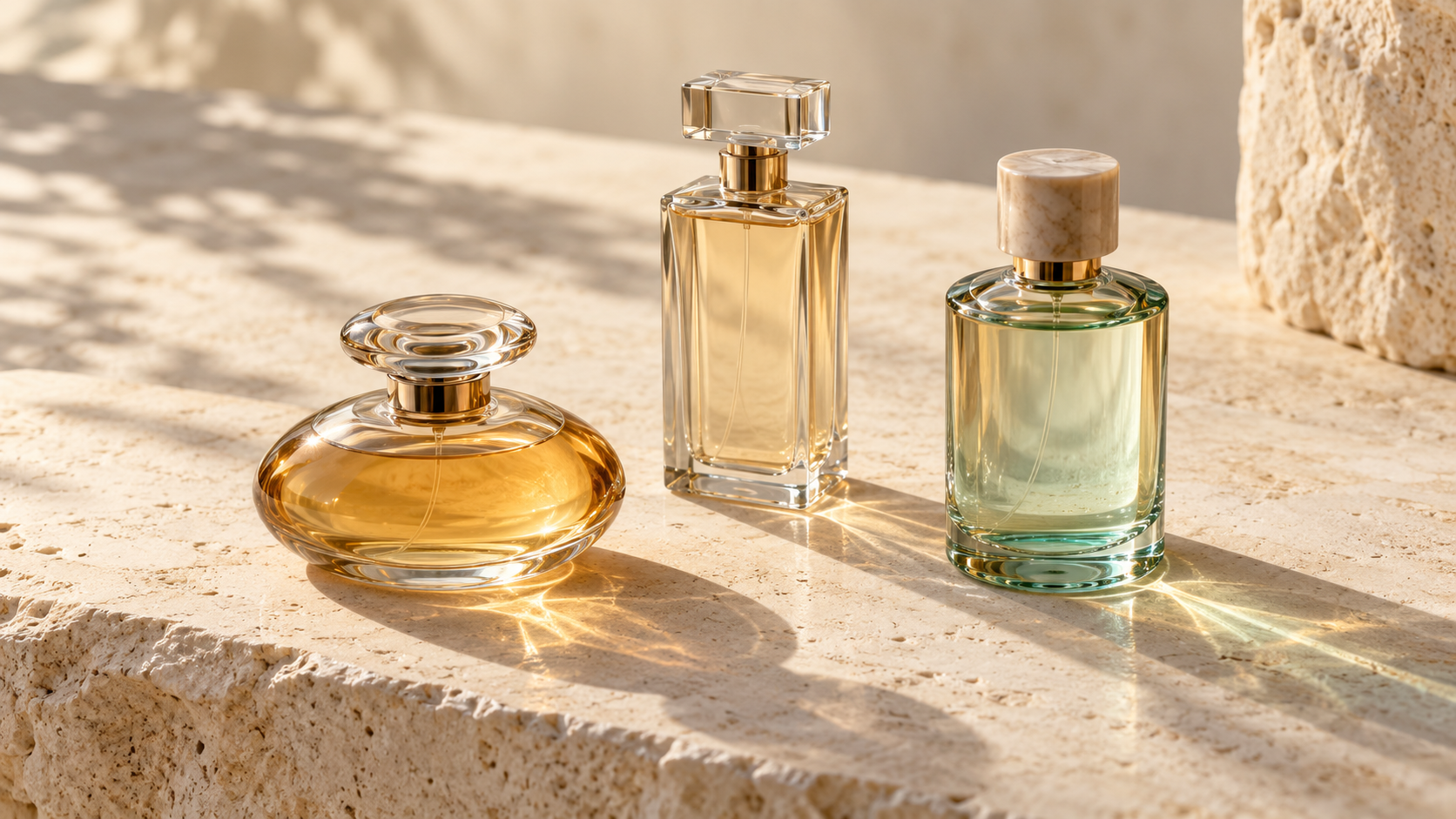
Fragrance comes in many forms. A bottle's shape alone cannot tell you its scent, concentration, or who will enjoy wearing it.
One word, three different clues
When you encounter “cologne,” it helps to ask which meaning is doing the work:
- A fragrance style: the fresh, citrus-led tradition associated with Eau de Cologne.
- A concentration description: eau de cologne as a typically lighter dilution of fragrant materials in a carrier.
- A shopping category: a broad term for men's fragrance, especially in American usage.
These meanings can overlap, but they don't always travel together. A citrus-led fragrance can be offered at a richer concentration. A scent sold as men's cologne can be woody, floral, sweet, or spicy. And someone of any gender can enjoy either.
Even concentration labels need a little care. The International Fragrance Association explains that terms such as eau de cologne, eau de toilette, and eau de parfum have no universally fixed concentration definitions. The neat percentage charts often used to explain them are useful general guides, rather than one rule every fragrance house follows.
Choose the scent, then read the label
The more useful question at a perfume counter is what you want to smell and how you want to wear it.
Do you like the sharp brightness of citrus peel, the dry feel of cedar, a soft floral note, or the warmth of amber? Are you looking for something quiet and close to the skin, or a scent with a more noticeable presence?
Those questions give you more to work with than a men's or women's shelf. Try the fragrance, give it time on your skin, and notice how it develops.
Cologne carries an interesting history in a very familiar word. Knowing that history makes the label easier to read, while leaving the choice of who wears the fragrance exactly where it belongs: with the person who enjoys it.
Sources (5)
- Farina Fragrance Museum: Eau de Cologne's origins · museen.koeln
- Smithsonian National Museum of American History: Fragrance · americanhistory.si.edu
- Smithsonian: Pierre Cardin Man's Cologne Spray, circa 1975 · si.edu
- Ralph Lauren Fragrances: Men's fragrance and cologne terminology · ralphlaurenfragrances.com
- IFRA: Fragrance concentration terminology · ifrafragrance.org